
Belgian Sheepdog
BrightWatchfulSerious-minded
Belgium · 12–14 years
About the Belgian Sheepdog
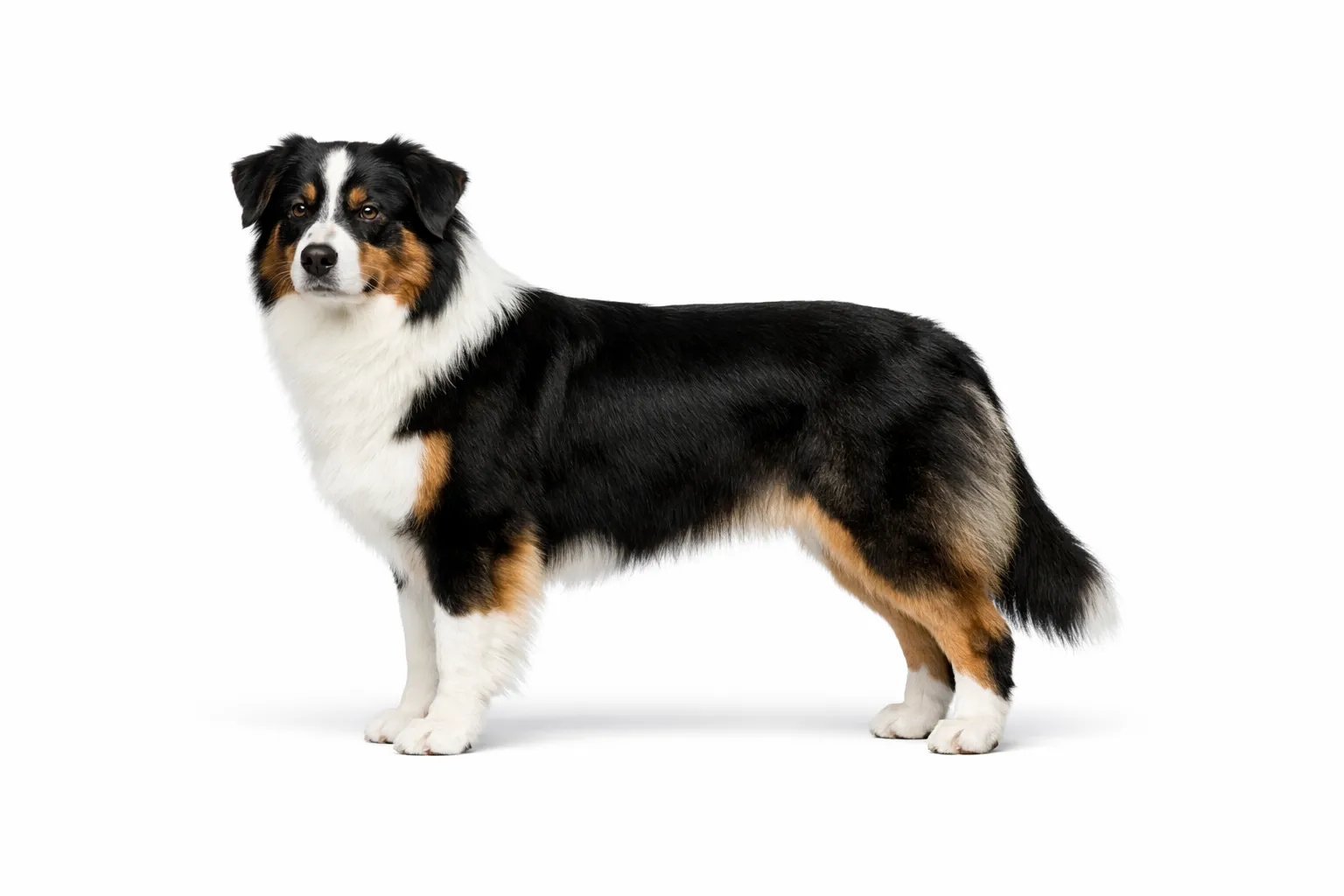
The Belgian Sheepdog, known as the Groenendael in most countries outside the US, is a striking all-black herding breed and one of four Belgian Shepherd varieties. Named after the Château de Groenendael near Brussels where the breed was first developed, they are elegant, athletic, and versatile working dogs. Belgian Sheepdogs served heroically as message carriers, ambulance dogs, and sentries during both World Wars. They are deeply loyal, highly trainable, and form intense bonds with their handlers. Their long, luxurious black coat and proud carriage make them one of the most beautiful herding breeds.
Breed stats
- Height
- 22–26 in
- Weight
- 45–75 lbs
- Lifespan
- 12–14 years
- Group
- Herding
- Coat
- Long, straight, abundant double coat
- Origin
- Belgium
Coat colors
- Black
Temperament & ratings
Compatibility
Exercise & feeding
Daily exercise
60–120 min
per day recommended
Daily food
2–3 cups
high-quality dry food
Common health issues
- Hip dysplasia
- Elbow dysplasia
- Progressive retinal atrophy
- Epilepsy
- Cancer
Not every Belgian Sheepdog will develop these conditions, but awareness helps with early detection. Regular veterinary checkups and choosing a responsible breeder who health-tests their dogs are the best preventive measures.
Can Belgian Sheepdogs eat...
- Can dogs eat blueberries?Safe
- Can dogs eat grapes?Toxic
- Can dogs eat bananas?Safe
- Can dogs eat chocolate?Toxic
- Can dogs eat watermelon?Safe
- Can dogs eat cheese?Caution
- Can dogs eat almonds?Caution
- Can dogs eat apples?Safe
Frequently Asked Questions
- Belgian Sheepdogs (Groenendael) and Malinois are varieties of the same Belgian Shepherd breed recognized as separate breeds by the AKC. Belgian Sheepdogs have a long, black coat while Malinois have a short, fawn-to-mahogany coat. Temperamentally, Belgian Sheepdogs are slightly less intense than Malinois and are more commonly found as family companions and show dogs, while Malinois dominate in police and military work. Both share the same high intelligence, trainability, and need for significant exercise and mental stimulation. Many countries outside North America consider all four Belgian Shepherd varieties one breed.
- Belgian Sheepdogs can be good family dogs for experienced, active families. They are loyal, protective, and can be excellent with children when properly raised and socialized. They form strong bonds with their family and are naturally watchful guardians. However, they are high-energy, high-drive dogs that need significant daily exercise and mental stimulation. They can be reserved or protective with strangers, requiring early socialization. They are sensitive dogs that do not respond well to harsh handling. For active families with dog experience who want a devoted, versatile companion, they are outstanding.
- Belgian Sheepdogs have a long, abundant double coat that requires regular grooming. Brushing two to three times per week prevents matting and keeps the coat healthy. During seasonal shedding periods (spring and fall), daily brushing is needed as they shed heavily. The coat does not need trimming or professional grooming — it should be left natural. Pay particular attention to the mane area, behind the ears, and the feathering on the legs where mats tend to form. Despite the grooming commitment, the coat is relatively self-maintaining and resilient compared to some other long-coated breeds.
Similar breeds



Explore all dog breeds
DogDataHub covers 199+ breeds with full profiles, health info, and compatibility ratings.
Browse all breeds